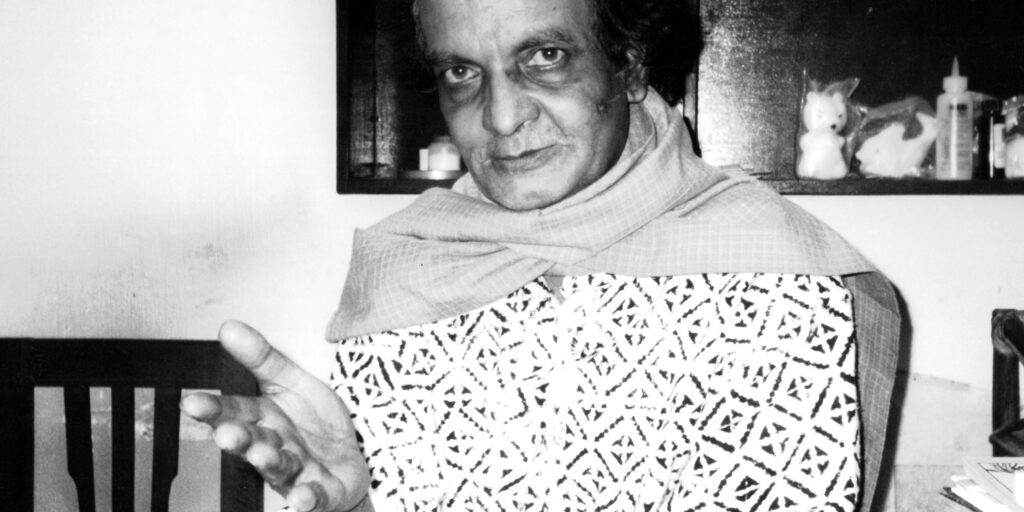
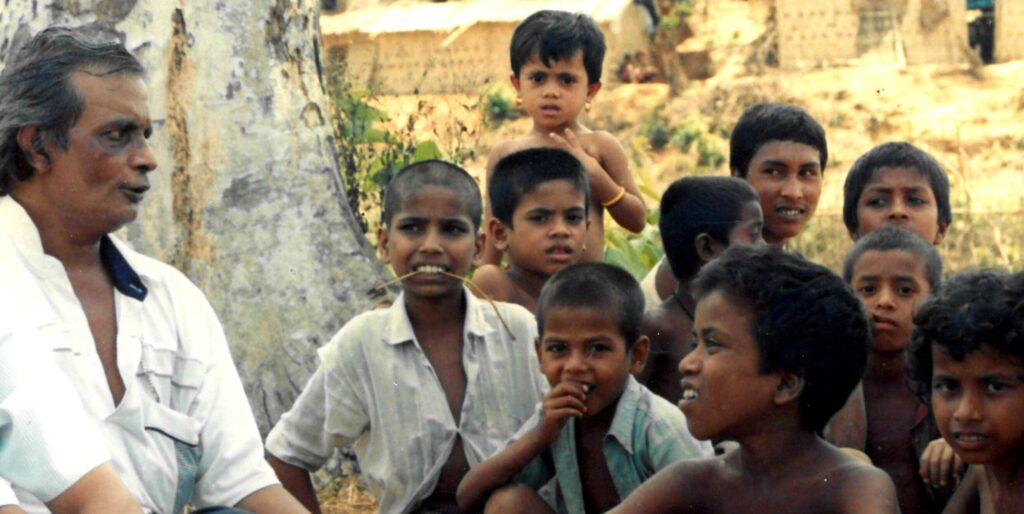
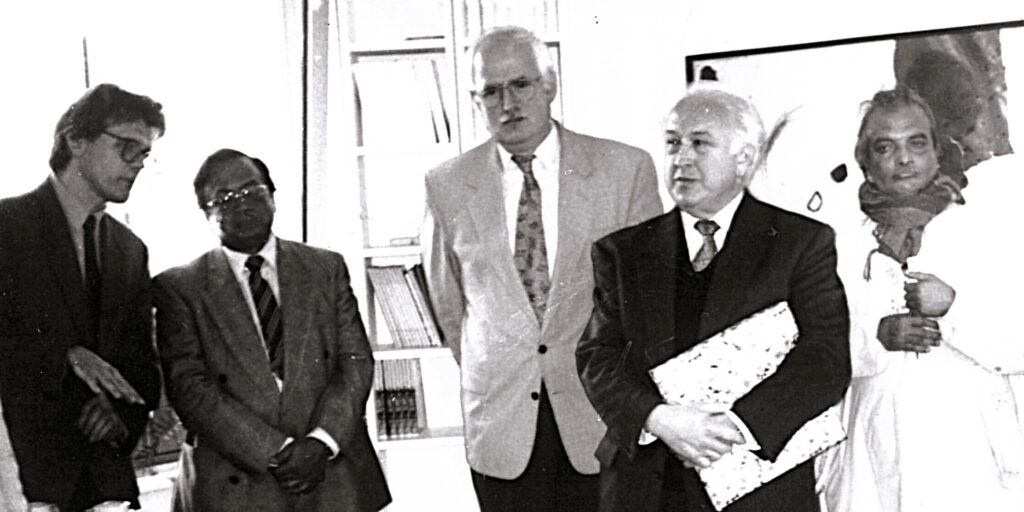
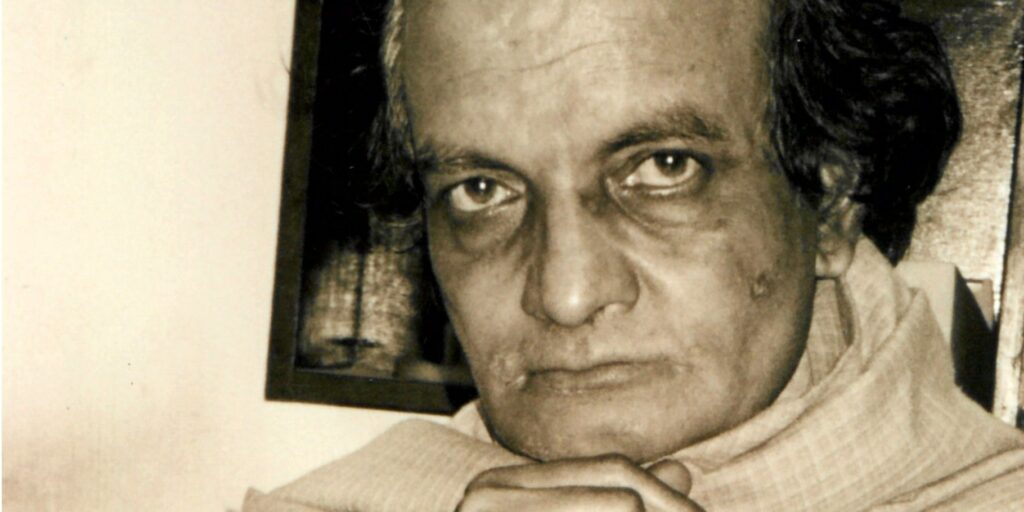
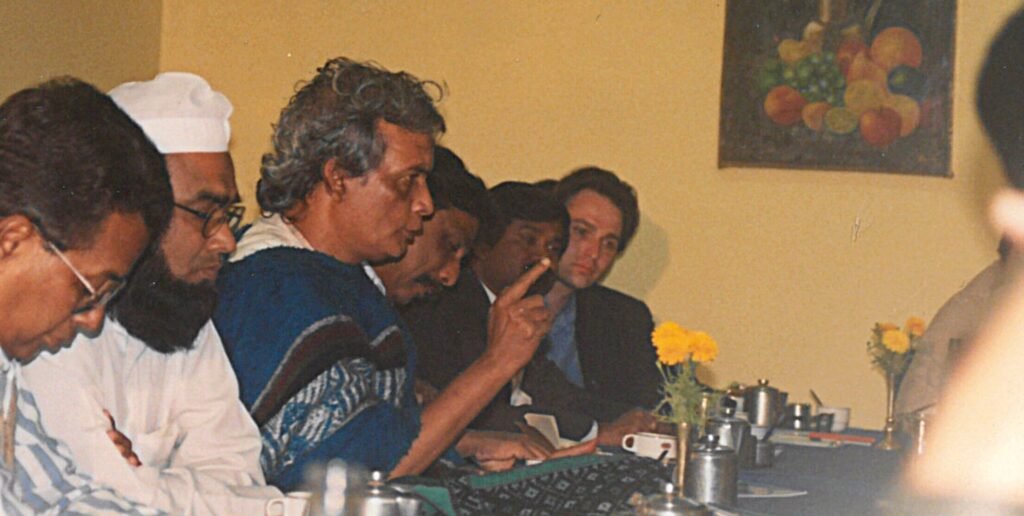
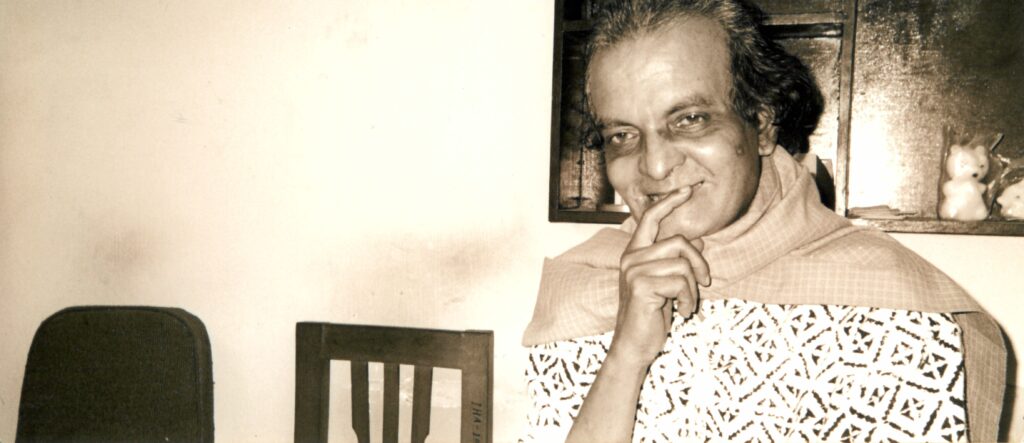
Ahmed Sofa (Bengali: আহমদ ছফা) was a Bangladeshi writer, humanist and rebell. He wrote eight novels, four collections of poems, two collections of short stories, eighteen non-fiction books, and several books in other genres. He was born on 30 June 1943 in Gachbaria in the district of Chattogram and died on 28 July 2001 in Dhaka. This documentation presents some of his works—including previously unpublished ones—as well as personal letters to Peter Dietzel, translations into German, and how his work has been received in Germany.
A life so full // Ein Leben so voll – Remembering Ahmed Sofa „When I talk about Ahmed Sofa I usually begin with the story of his apple tree“ starts Tobias Schüth’s memoir about the revolutionary, lover, mystic, humanist, dreamer and poet . – August 2001, English & deutsch
Ein Tag in Ashus Leben
Ein bengalischer Dichter begegnet Goethe im Waschraum Wetzlarer Neue Zeitung on November 5, 1994.
Ein Slum wird abgerissen
Bangladesh – A Linguistic Nation-State in the Context of Culture and Literature
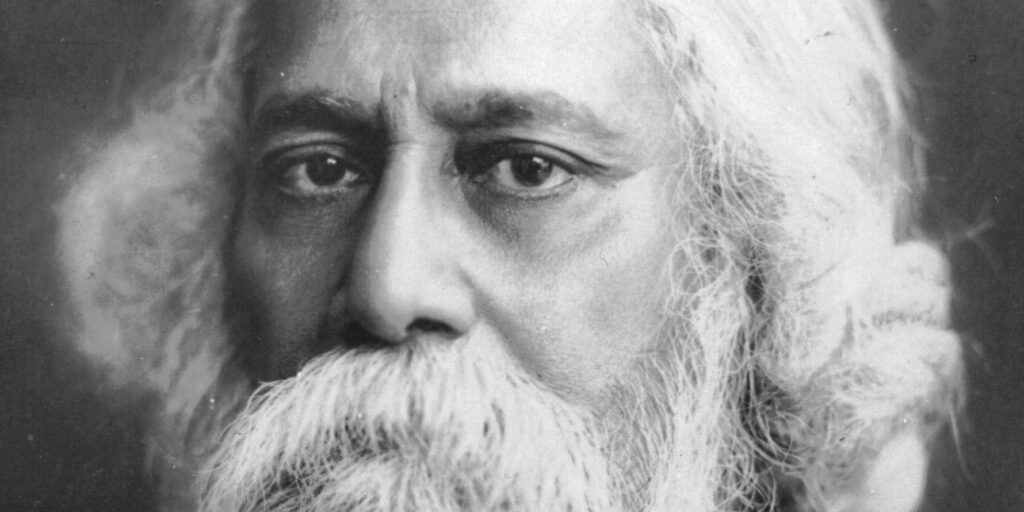
Rabindranath Tagore – The Universal Genius
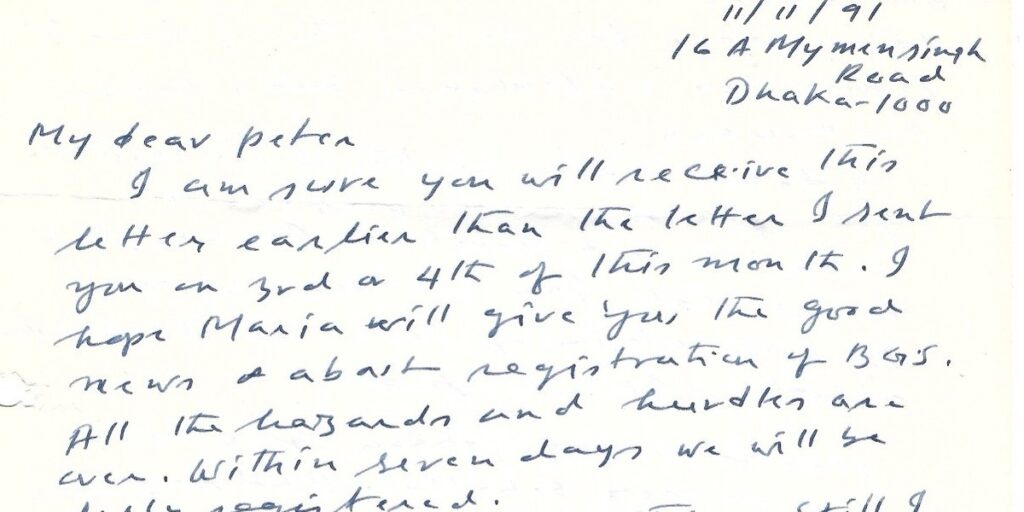
„I do not have any bitter feeling against anybody. But I have a strong determination,“ writes Ahmed Sofa in his letter of 11 November 1991 to Peter Dietzel
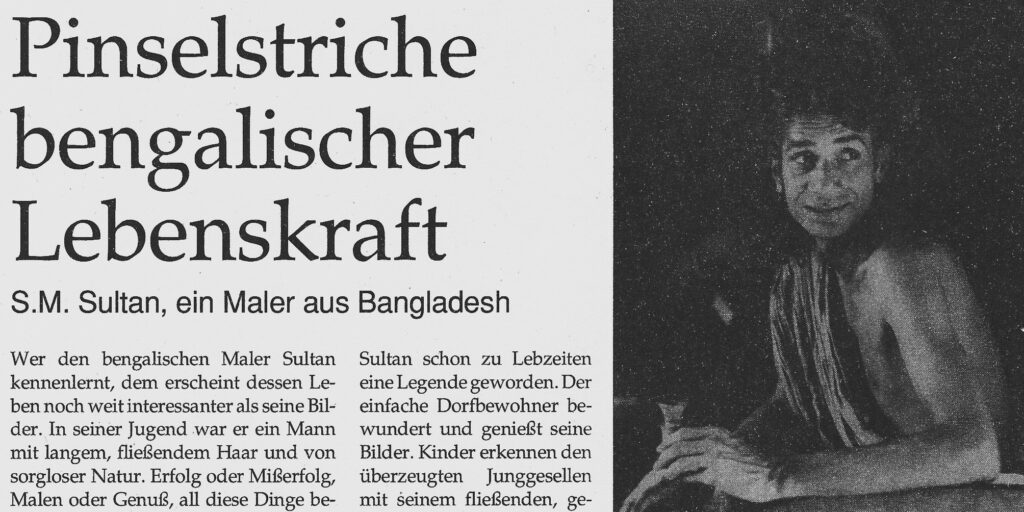
Ahmed Sofa: Der Maler S.M.Sultan Für die Zeitschrift NETZ zeichnet Sofa ein persönliches und ungewöhnliches Porträt des freiheitheitsliebenden bangladeschischen Künstlers S.M.Sultan – und stellt ihn damit erstmals der deutschen Öffentlichkeit vor. September 1991
Ahmed Sofa: Aspects of Social Harmony in Bangla Culture and Peace Songs
In German Perspective, Ahmed Sofa blends travelogue, cultural reflection, and political insight to explore identity, exile, and human connection across borders. It’s personal, sharp-eyed journey through Germany, seen from the perspective of a Bangladeshi writer.
Ahmed Sofa on the cyclone of 1991
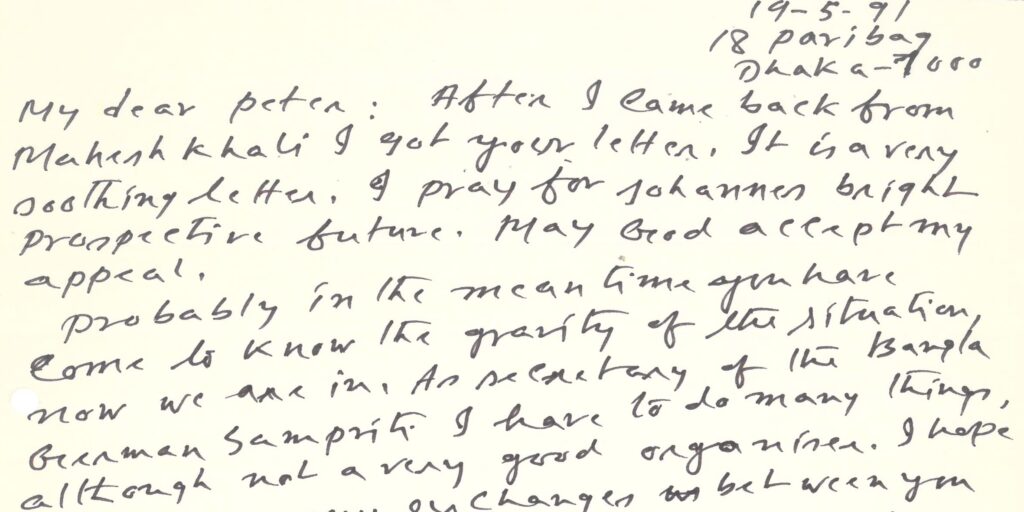
„Troublesome Time“: Ahmed Sofas letter to Peter Dietzel dated 19 May 1991 reveals the poet in a personal, almost tentative search for self-assurance, torn between literary ambition and the realities of life.
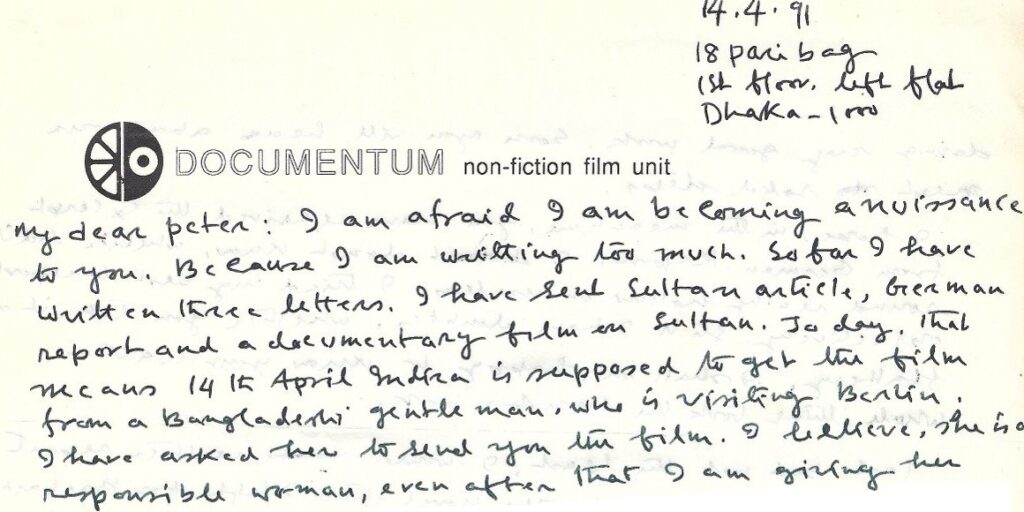
Beauty belongs to those who appreciate it – An intimate letter from Ahmed Sofa reveals a writer balancing artistic visionAhmed Sofa: Beauty belongs to those who appreciate it, personal hardship, and cultural mission dated 14 April 1991.
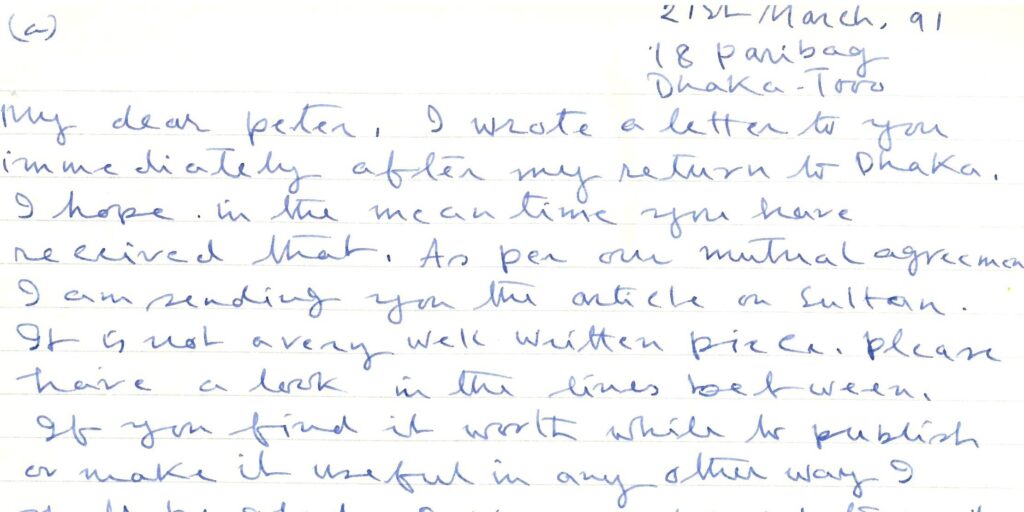
Between Art and Politics: Ahmed Sofa’s letter to Peter Dietzel dated 21 March 1991 refers to discussions from February during his visit to Germany, including a publication on the painter S. M. Sultan, and plans to publish Sofa’s poems in German.
On Culture, Peace, and the Future of NETZ: Immediately after returning from Germany to Dhaka, Ahmed Sofa writes to Peter Dietzel on March 9, 1991. He picks up where their conversations had left off to shape the direction of the NGO NETZ.
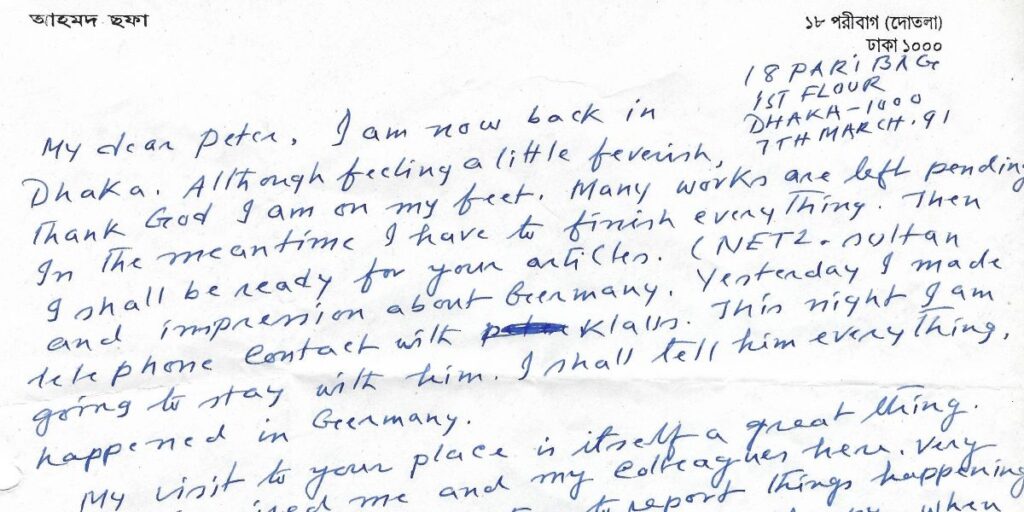
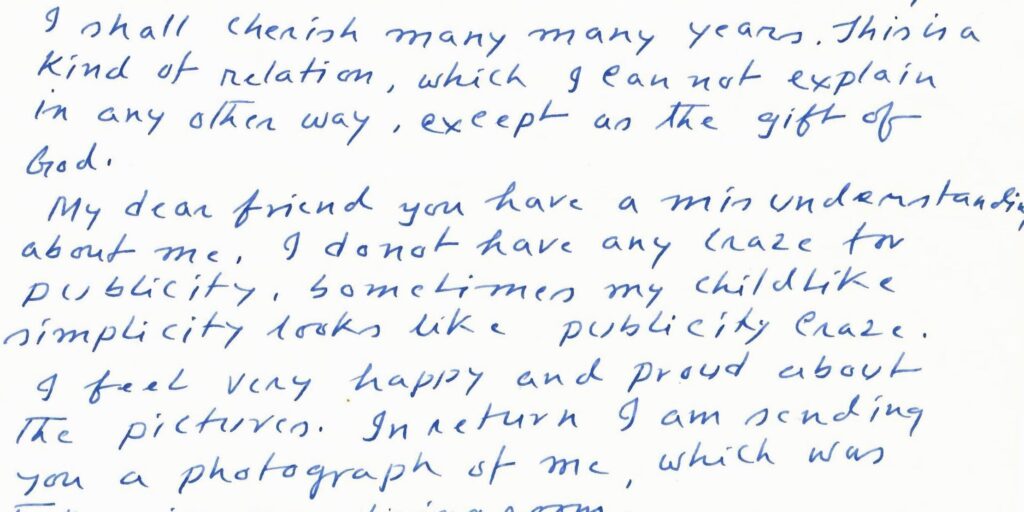
“You have a misunderstanding about me” : In his letter to Peter Dietzel dated 1March 1991, Ahmed Sofa writes about the recent visit to Peter’s home.
Ahmed Sofa: The Seed of Nonviolence